Every Purchase Does Good: How “Life is Good” Changes the World Through Philanthropy
To be honest, I didn’t truly begin to see “Life is Good” in a new light because of its designs or products, but rather because of a long-standing commitment behind the brand: philanthropy.
At a time when most brands emphasize trends, pricing, and visual impact, this brand chose a completely different path: consistently channeling a portion of its business profits into philanthropic initiatives focused on child support and emotional healing. As I delved deeper into “Life is Good,” I realized that what they were doing went far beyond “selling clothes”; they were using a business structure to underpin long-term social value.
I. Investing 10% of Net Profits Annually: A Long-Term, Stable Commitment
What struck me most was the structural design of “Life is Good‘s” philanthropy—it isn’t just about running occasional charitable events; philanthropy is directly embedded into the company’s profit model.
According to the brand’s long-standing public disclosures, it consistently invests approximately 10% of its net profits into child-focused philanthropic projects, rather than making one-off donations or running short-term campaigns in a given year. The key here is “continuity”—meaning that regardless of market performance, this investment remains in place as a long-term mechanism.
As I learned more about how “Life is Good” operates, I discovered that its philanthropy isn’t an “add-on module” separate from the core business; instead, it functions like a system running in parallel with sales, design, and supply chain operations. In other words, every time a product is sold, the structure automatically triggers a flow of value toward philanthropic causes, without relying on ad-hoc decisions about whether or not to participate.
This sets it apart from many traditional brands.
Most brands’ philanthropic efforts tend to be episodic—such as donations following a disaster, holiday-themed charity events, or short-term projects designed to boost the brand’s image. In the “Life is Good” model, however, this behavior is “institutionalized.” The brand doesn’t need to constantly prove its commitment to charity, because philanthropy is already woven into the very fabric of its business structure.
II. The Playmaker Project: Rebuilding Children’s Emotional Worlds Through Play
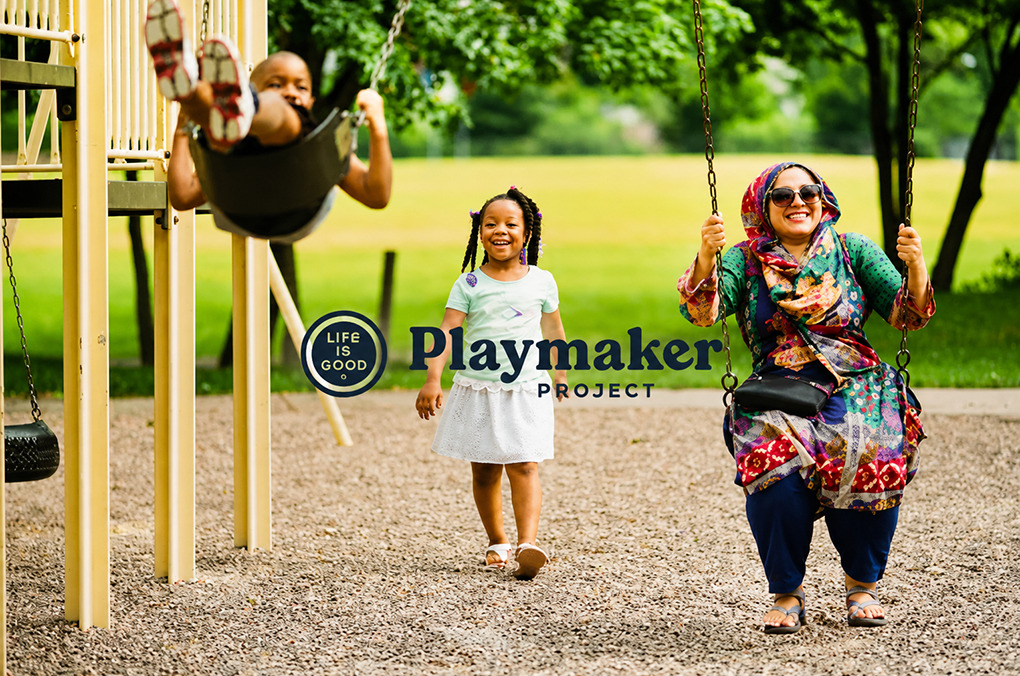
Digging deeper, I encountered the “Playmaker Project,” a core component of the brand’s philanthropic ecosystem. This project goes beyond traditional material donations to focus on children’s psychological well-being and emotional recovery, using play to help children who have faced adversity or trauma rebuild a sense of safety and trust.
Within this framework, educators and volunteers undergo specialized training to use interactive games and group activities as mediums, allowing children to relearn how to express themselves, cooperate, and release emotions in a relaxed environment. What struck me most was that the focus isn’t on “superficial aid,” but rather on a deeper process of psychological rebuilding. While the approach appears simple, it actually requires long-term, consistent commitment to yield real results.
When viewing this initiative alongside the overarching philosophy of “Life is Good,” one sees a unified approach: it eschews quick fixes in favor of fostering gradual change through methods that are low-intrusion yet highly stable. Though this approach may not be flashy, it represents a model of social impact that is incredibly difficult to replicate.
III. Social Impact as an Ongoing System, Not a One-Off Act
A standalone charitable event is easily forgotten; however, within the “Life is Good” framework, social impact was never merely a “temporary project” but rather an ongoing system. Its logic goes beyond simple donation-making, embedding social good into multiple layers of brand operations—from profit allocation mechanisms and project execution to cross-regional collaboration and feedback tracking—creating a structure capable of long-term sustainability.
The key to this structure is that it does not rely on specific events or milestones; instead, it generates impact continuously through the brand’s own ongoing operations. In other words, as long as the brand is functioning, social impact occurs naturally without the need for a separate “launch.”
Unlike traditional brands—where corporate social responsibility is often episodic, such as donations following a specific event or annual awareness campaigns—”Life is Good” treats social impact as a “background mechanism.” It requires no constant fanfare because it has become an integral part of the system itself.
As I see it, the core of this model lies not in the number of charitable projects undertaken, but in the establishment of a self-sustaining structure. When social impact shifts from an isolated “act” to a “system,” its influence no longer depends on short-term attention but expands naturally alongside the growth of the brand.
IV. An Environmental Logic Rooted in Products
Beyond its social impact framework, the brand has also established an environmental logic at the product level. Across many of Life is Good’s products, one can observe details such as the use of organic cotton, eco-friendly water-based inks, and recyclable packaging designs. While these choices might seem like isolated details, they actually converge on a single goal: minimizing the long-term environmental impact of garment production.
Once I began noticing these details, my understanding of “clothing” shifted. It was no longer merely an item to wear, but part of a comprehensive system encompassing supply chains, resource consumption, and environmental costs.
V. Redefining the Meaning of Consumer Behavior
As I delved deeper into Life is Good, I began to feel that placing an order on their website might involve more than just “buying a piece of clothing.”
It felt more like a form of participation: a portion of the revenue goes toward charitable causes, another supports child psychology and education initiatives, some funds are allocated to optimizing eco-friendly production chains, and the remainder sustains the brand’s ongoing operations. This prompted me to reflect on the nature of consumption; while most of our daily spending involves a simple exchange of goods, is it possible for consumption itself to serve as a way to contribute to a broader social outcome?
VI. Why Such Brands Matter Today
In today’s consumer landscape, most brands compete primarily on price, design, and trends. Life is Good stands apart by integrating “social impact” into its core identity rather than treating it as an afterthought.
In an era of information overload and mounting emotional stress, this brand philosophy offers a refreshing clarity. Instead of telling consumers what they lack, it reminds them that their choices can make a difference. This approach creates a more lasting impression and resonates more deeply than standard product marketing.
Bridging Consumption and Goodwill
Reflecting on Life is Good’s philanthropic framework, what strikes me most isn’t just the number of charitable projects they undertake, but their effort to forge a connection—linking consumer behavior and social value within a single, virtuous cycle.
When you buy a T-shirt, you aren’t just acquiring a product; you are indirectly participating in initiatives that support children, education, and environmental sustainability. This model is simple yet offers a new possibility: consumption need not be solely about acquisition—it can also be an act of participation.
Perhaps this is what makes the brand so unique: it doesn’t demand that you change the world, but rather empowers you to make the world a little better through your everyday choices.


You May Also Like

Houston’s Natural Beauty: Oasis and Park Recommendations in the City

Exploring Toronto: The Melting Pot of Culture, Art, and Gastronomy